Wednesday, 31 August 2011
phoenix dui lawyers-Need Positive Thinking Trained
Former British Prime Minister, Winston Churchill, had words of wisdom are timeless: A pessimist sees the difficulty in every opportunity, an Optimist sees the opportunity in every difficulty. A pessimist sees the difficulty in every opportunity, an optimist sees the opportunity in every difficulty. No different from the objects facing the pessimistic and optimistic. There is only a different perspective. The optimist looked at him with positive thoughts, while the pessimistic with negative thoughts.
Having positive thinking had to be socialized and trained constantly so that someday will grow into the character. But how to cultivate this habit? The following tips can be useful.
Verbal affirmations every dayWhen we encounter a problem or opportunity, there are two possibilities that could be done. We felt able to cope or do, but on the other hand would doubt our ability. Technically, we are in fact very capable of doing it but we pulled uncertainty in a static manner so that we can not do anything.
According to some experts, the best way to overcome this problem is to do affirmations, that is to say positive words to us. In the morning after waking up, say to ourselves that we can do anything we want. Such "You can!" or, "You can do it!" The louder our words more able to influence our subconscious. Do it every day for about 10 minutes.

Mesothelioma-Dare to Forgive Others
Authors: Andrie Wongso
Beginning in August 2011 there is interesting news from Iran. A beautiful woman who poured the acid damage to her face and her eyes blind to forgive the offender.The woman is Ameneh Bahrami, Iranian-born in 1978, which doused Majid Movahedi in 2004 because of rejected courtship. Movahedi was arrested while waiting for qisas punishment, ie punishment principled retaliation in kind, a kind of punishment "lives life to pay". In the case Bahrami, he may ask the court to blind the eyes of actors as they experienced.
The court ruled the law qisas conducted on July 31, 2011 and broadcast live by television. A few seconds before the acid is splashed in the eye Movahedi, a doctor who would pour liquid Bahrami was asked, "What would you do now?"Movahedi was crying uncontrollably as she knelt. Fear of blindness and eye shadow incomparable pain that made her beg for forgiveness. Everyone was tense watch. A signal from the process Bahrami qisas punishment would be carried out. However, Bahrami was saying the words beyond expectations. "I forgive him, I forgive him," said Bahrami. Then the eyes of the perpetrator had survived.What a noble attitude Bahrami, he courageously forgiving those who have blinded him throughout his life.
Pleural Mesothelioma
Pleural mesothelioma is the most common type of mesothelioma. Pleural mesothelioma accounts for about 75% of all mesothelioma cases. Asbestos fibers are the cause of pleural mesothelioma, which may not develop until 10 to 50 years after exposure.
Pleural mesothelioma is a cancer of the mesothelium, which is the lining of the lungs. There are several symptoms that can appear which are non-specific and could be associated with a number of more common illnesses and diseases. It is the long latency period that makes mesothelioma so difficult to diagnose. If you have worked with asbestos, it is important that you let the doctor know.
Some of the more common symptoms include a persistent cough, chest pain that can be quite severe, shortness of breath, coughing up blood, and weight loss. As the tumor invades the lungs and also the chest wall, breathing can be very difficult. Fluid often accumulates in the pleural space, making breathing even more difficult. The severe pain in the ribs or chest is caused by the spreading of the cancer.
The treatment plan for pleural mesothelioma depends on several factors. The patient’s age, general state of health, and medical history are all taken into consideration when a treatment plan is formed. The staging of the cancer is the single most important piece of information. Staging tells the doctors how and where the cancer has spread.
Pleural mesothelioma is a cancer of the mesothelium, which is the lining of the lungs. There are several symptoms that can appear which are non-specific and could be associated with a number of more common illnesses and diseases. It is the long latency period that makes mesothelioma so difficult to diagnose. If you have worked with asbestos, it is important that you let the doctor know.
Some of the more common symptoms include a persistent cough, chest pain that can be quite severe, shortness of breath, coughing up blood, and weight loss. As the tumor invades the lungs and also the chest wall, breathing can be very difficult. Fluid often accumulates in the pleural space, making breathing even more difficult. The severe pain in the ribs or chest is caused by the spreading of the cancer.
The treatment plan for pleural mesothelioma depends on several factors. The patient’s age, general state of health, and medical history are all taken into consideration when a treatment plan is formed. The staging of the cancer is the single most important piece of information. Staging tells the doctors how and where the cancer has spread.
Mesothelioma Treatment
If there’s one thing we know about mesothelioma treatment, it’s this: we’re still being challenged to arrive at efficacy.
Despite years of research since the disease was first identified, it’s still difficult to identify the best approach to treating the disease, says David Rice, MD, a cardiothoracic surgeon and nationally known mesothelioma expert who practices at the University of Texas MD Anderson Cancer Center in Houston, TX.
The very rareness of the cancer—only about 3,000 people a year are diagnosed in the United States—makes it difficult to run the kind of research studies needed to compare treatments and determine the ideal therapy at each stage of the disease. “There isn’t a lot of evidence-based science in this disease,” Dr. Rice admits. So when his patients ask him what the best treatment is for the disease, he tells them what we tell you in this section, adding that “we don’t have a reliable cure for this disease.”
Thus, a major goal of treatment is to reduce pain and suffering and prolong a patient’s life as long as possible while providing them with the highest quality of life possible.
Choosing the right mesothelioma doctor is an important first step in planning for treatment.
There are a number of mesothelioma experts, like Dr. Rice, practicing in specialized clinics throughout the country. Each of these cancer specialists has an acute knowledge of the behavior and pathology of malignant mesothelioma and its treatment. It is likely that if you are diagnosed with mesothelioma, you will be referred by your personal physician to a larger scale comprehensive cancer center.
The most important consideration in mesothelioma treatment is the cancer stage and type, said Dr. Rice. Treatment decisions also depend on whether the cancer is localized to the chest or has spread to the chest wall, diaphragm, or lymph nodes, your age and overall health, and the center where you’re being treated. Learn more about finding a doctor here.
Conventional treatments for mesothelioma involve surgery, chemotherapy, and radiation therapy.
As with most solid tumors, doctors turn to surgery, radiation and chemotherapy to manage mesothelioma. When exploring the various treatment options available with your doctor it is important to be informed about the risk and benefits of each one before making a final decision.
Surgery
Only about 1 in 5 patients with metastatic pleural mesothelioma undergo surgery. There are two main surgeries: pleurectomy/decortication, in which the surgeon tries to remove as much of the tumor from around the lung as possible, and the more radical extrapleural pneumonectomy, in which the lung itself is removed.
There is a lot of debate as to which is “best,” said Dr. Rice, although studies find that most long-term survivors have had surgery. He personally believes that pneumonectomy is best for tumor control if followed with radiation. Studies find it prevents tumor recurrence in the chest in 80 to 85 percent of patients who have the surgery.
However, Dr. Rice noted, it is a long, intensive operation with a 55 percent complication rate and a 3 percent risk of death, higher in some institutions. “So you only want to perform that surgery if the patient has a reasonably good prognosis,” said Dr. Rice. Translation: it doesn’t appear that the cancer has spread outside the chest.
Patients best suited for pneumonectomy are younger, with the epithelial form of the disease, no obvious lymph gland involvement, and are otherwise healthy enough to withstand the rigor of the procedure. Dr. Rice actually waits until he has the patient’s chest open in the operating room and biopsies the lymph nodes before deciding which procedure to perform.
Pleurectomy/decortication has a higher failure rate, with the tumor recurring in the chest cavity 50 to 80 percent of the time. However, that rate may change with improved radiotherapy techniques, Dr. Rice said. The reason for the high recurrence is that it’s impossible to completely remove the tumor without removing the lung.
However, he noted, there is no difference in survival rates between the two surgeries. Part of the reason is that the cancer has often spread to other parts of the body by the time it is diagnosed even if it appears to be confined to the chest.
Chemotherapy
Despite years of research since the disease was first identified, it’s still difficult to identify the best approach to treating the disease, says David Rice, MD, a cardiothoracic surgeon and nationally known mesothelioma expert who practices at the University of Texas MD Anderson Cancer Center in Houston, TX.
The very rareness of the cancer—only about 3,000 people a year are diagnosed in the United States—makes it difficult to run the kind of research studies needed to compare treatments and determine the ideal therapy at each stage of the disease. “There isn’t a lot of evidence-based science in this disease,” Dr. Rice admits. So when his patients ask him what the best treatment is for the disease, he tells them what we tell you in this section, adding that “we don’t have a reliable cure for this disease.”
Thus, a major goal of treatment is to reduce pain and suffering and prolong a patient’s life as long as possible while providing them with the highest quality of life possible.
Choosing the right mesothelioma doctor is an important first step in planning for treatment.
There are a number of mesothelioma experts, like Dr. Rice, practicing in specialized clinics throughout the country. Each of these cancer specialists has an acute knowledge of the behavior and pathology of malignant mesothelioma and its treatment. It is likely that if you are diagnosed with mesothelioma, you will be referred by your personal physician to a larger scale comprehensive cancer center.
The most important consideration in mesothelioma treatment is the cancer stage and type, said Dr. Rice. Treatment decisions also depend on whether the cancer is localized to the chest or has spread to the chest wall, diaphragm, or lymph nodes, your age and overall health, and the center where you’re being treated. Learn more about finding a doctor here.
Conventional treatments for mesothelioma involve surgery, chemotherapy, and radiation therapy.
As with most solid tumors, doctors turn to surgery, radiation and chemotherapy to manage mesothelioma. When exploring the various treatment options available with your doctor it is important to be informed about the risk and benefits of each one before making a final decision.
Surgery
Only about 1 in 5 patients with metastatic pleural mesothelioma undergo surgery. There are two main surgeries: pleurectomy/decortication, in which the surgeon tries to remove as much of the tumor from around the lung as possible, and the more radical extrapleural pneumonectomy, in which the lung itself is removed.
There is a lot of debate as to which is “best,” said Dr. Rice, although studies find that most long-term survivors have had surgery. He personally believes that pneumonectomy is best for tumor control if followed with radiation. Studies find it prevents tumor recurrence in the chest in 80 to 85 percent of patients who have the surgery.
However, Dr. Rice noted, it is a long, intensive operation with a 55 percent complication rate and a 3 percent risk of death, higher in some institutions. “So you only want to perform that surgery if the patient has a reasonably good prognosis,” said Dr. Rice. Translation: it doesn’t appear that the cancer has spread outside the chest.
Patients best suited for pneumonectomy are younger, with the epithelial form of the disease, no obvious lymph gland involvement, and are otherwise healthy enough to withstand the rigor of the procedure. Dr. Rice actually waits until he has the patient’s chest open in the operating room and biopsies the lymph nodes before deciding which procedure to perform.
Pleurectomy/decortication has a higher failure rate, with the tumor recurring in the chest cavity 50 to 80 percent of the time. However, that rate may change with improved radiotherapy techniques, Dr. Rice said. The reason for the high recurrence is that it’s impossible to completely remove the tumor without removing the lung.
However, he noted, there is no difference in survival rates between the two surgeries. Part of the reason is that the cancer has often spread to other parts of the body by the time it is diagnosed even if it appears to be confined to the chest.
Chemotherapy
Tuesday, 30 August 2011
Exposure To Asbestos
Exposure to asbestos particles is one of the principal causes of mesothelioma cancer, also known as asbestos cancer. As a naturally occurring mineral with useful commercial applications, asbestos is found in plumbing, insulation and other building materials and products.
Through the liberal commercial use of this material, most people in the United States and other industrial nations have been or will be exposed to loose, airborne particles in their work or home environments, this exposure can create significant health hazards.
There are six different types of asbestos: chrysotile, amosite, crocidolite, tremolite, anthophyllite and actinolite. These six mineral types are divided into two classifications, serpentine and amphibole. Chrysotile is the only mineral in the serpentine class. As known carcinogens both classes of asbestos can cause mesothelioma.
In the United States, chrysotile was the most commonly used asbestos mineral, and is known for its curly fibers that can be easily woven into fabrics. Applications of chrysotile include drywall compound, plaster, vinyl floor tiles, roofing materials, acoustic ceilings, fireproofing, caulk, brake pads and shoes, stage curtains, fire blankets and dental cast linings.
Amosite and crocidolite are the other more common asbestos minerals used, though their application is not as extensive as chrysotile. Products manufactured out of these asbestos minerals include insulation board, ceiling tiles and casing for water services.
In the past ten years, trace amounts of asbestos have been found in talc, a leading ingredient in crayons.
Through the liberal commercial use of this material, most people in the United States and other industrial nations have been or will be exposed to loose, airborne particles in their work or home environments, this exposure can create significant health hazards.
Commercial Applications
Over 700,000 schools and buildings in the United States today contain asbestos insulation as reported by the US Environmental Protection Agency. Asbestos exposure doesn't stop there, however. Asbestos is often found in ship yards, manufacturing facilities, railway facilities and construction sites. Blue collar workers are at the highest risk for developing mesothelioma due to occupational exposure. They typically work in aluminum plants, oil refineries, chemical plants, mines, factories, shipyards, construction sites and railroads. Employees at insulation and gas mask manufacturing facilities are also at risk. The occupations most widely affected are miners, factory workers, railroad workers, ship builders and construction workers - especially those who install asbestos-containing insulation. Sometimes family members related to the workers receive second hand exposure to asbestos from the dust and fibers that were brought home on the workers clothes and also become at risk for contracting mesothelioma.There are six different types of asbestos: chrysotile, amosite, crocidolite, tremolite, anthophyllite and actinolite. These six mineral types are divided into two classifications, serpentine and amphibole. Chrysotile is the only mineral in the serpentine class. As known carcinogens both classes of asbestos can cause mesothelioma.
In the United States, chrysotile was the most commonly used asbestos mineral, and is known for its curly fibers that can be easily woven into fabrics. Applications of chrysotile include drywall compound, plaster, vinyl floor tiles, roofing materials, acoustic ceilings, fireproofing, caulk, brake pads and shoes, stage curtains, fire blankets and dental cast linings.
Amosite and crocidolite are the other more common asbestos minerals used, though their application is not as extensive as chrysotile. Products manufactured out of these asbestos minerals include insulation board, ceiling tiles and casing for water services.
In the past ten years, trace amounts of asbestos have been found in talc, a leading ingredient in crayons.
Exposure and Health Risks
The extensive use of asbestos across many different industries exposes not only those individuals working in the manufacturing of raw asbestos or working with asbestos-related products, but also individuals who may have asbestos in their homes, churches or schools. Further, asbestos particles may cling to the clothing or hair of an individual working with asbestos and potentially contaminate others.Mesothelioma Pictures
Types of Mesothelioma
As mesothelioma is a rare disease, it is often difficult to describe its various facets through words alone. For this reason, we have compiled a variety of mesothelioma pictures to provide our visitors with a better understanding of the disease, its causes, and how it manifests. Mesothelioma is an asbestos-related disease that occurs in the mesothelium, a thin layer of cells that lines the body’s internal organs. Below, you will see that there are three types of mesothelioma- pleural, peritoneal and pericardial. The most common form of mesothelioma is the pleural variety, where the disease inhabits the lining of the lung. Peritoneal mesothelioma can be detected in the body’s abdominal cavity. The third type of mesothelioma is pericardial, which accounts for only 10% of diagnosed cases and originates in the lining of the heart. Click on any of the pictures below for more details. Pleural Mesothelioma
 Peritoneal Mesothelioma
 Pericardial Mesothelioma
Mesothelioma Treatments
The treatment approach to mesothelioma can involve various methods. Conventional treatments include surgery, chemotherapy and radiation. These treatments are offered at many of our country’s top cancer centers. Click any of the following for more details Mesothelioma Surgery
 Chemotherapy
 Radiation Therapy
Mesothelioma and Asbestos
Mesothelioma is known to be caused solely by exposure to asbestos. Once coined a ‘miracle material,’ asbestos has been widely used for its resistance to fire and temperature extremes. The danger of asbestos inhalation could be found in a variety of industries and is especially prevalent among US Military veterans. Click the images below for more information regarding asbestos inhalation and naval ship exposure. Asbestos Inhalation
 Aircraft Carrier Exposure
Mesothelioma Charities
There are a number of mesothelioma research initiatives underway that are funded not only by medical and educational institutions, but also by charities dedicated to the defeat of mesothelioma and cancer in general. Research in this area is still evolving but great advances are being made, in large part, due to the support of these organizations. Below are a few of the better-known mesothelioma research initiatives and charities.
 The Mesothelioma Applied Research Foundation, more commonly referred to as MARF, is a non-profit national organization dedicated to lobbying for and funding mesothelioma research initiatives. In addition to funding initiatives and research projects, MARF also seeks to connect patients with cancer specialists and mesothelioma programs at the nation’s leading cancer centers. Another tier of MARF’s mission is advocacy for mesothelioma patients in the form of federal and state-level lobbying efforts.
 The International Mesothelioma Program is a joint initiative of the Brigham and Women’s Hospital, the Dana Farber Cancer Institute and Harvard University School of Medicine. Led by the esteemed Dr. David Sugarbaker, the IMP is at the forefront of all leading mesothelioma treatment research and practice. Combining a holistic treatment and support program, the IMP has made tremendous strides in surgical treatment for early-stage mesothelioma diagnosis as well as aggressive chemotherapy treatments for later-stage disease.
 The National Cancer Institute is part of the National Institute of Health, one of 11 agencies currently operating under the umbrella of the Department of Health and Human Services. In addition to research conducted in its own clinics and laboratories, the NCI supports and coordinates research projects through cancer centers, hospitals, and universities, while also being the primary federal entity responsible for disseminating information about cancer. Mesothelioma research is among the many projects and initiatives being conducted by the institute.
 The American Cancer Society is a nationwide network of community based, voluntary health organizations committed to the research and defeat of cancer. While the ACS is headquartered in Atlanta, Georgia and offers services through 9 regional chapters, the organization works in concert with international health organizations to carry out strategic initiatives across the globe. The ACS cooperates with and encourages coordination among cancer specialists and doctors throughout the country in the fight against malignant mesothelioma. They also support research to learn more about the causes of the disease.
 LUNGevity is primarily a lung cancer advocacy and awareness initiative with a singular stated goal to “Stop Lung Cancer Now.” LUNGevity understands that advancements in lung cancer research and investment into lung cancer initiatives is a national priority and may have ramifications for the advancement of similar mesothelioma projects. Many drugs researched for use among lung cancer patients have been successfully applied to the treatment of malignant mesothelioma and other carcinomas. LUNGevity also provides mesothelioma and non-squamous small cell lung cancer community support forums.
Mesothelioma Applied Research Foundation
The Mesothelioma Applied Research Foundation, more commonly referred to as MARF, is a non-profit national organization dedicated to lobbying for and funding mesothelioma research initiatives. In addition to funding initiatives and research projects, MARF also seeks to connect patients with cancer specialists and mesothelioma programs at the nation’s leading cancer centers. Another tier of MARF’s mission is advocacy for mesothelioma patients in the form of federal and state-level lobbying efforts. International Mesothelioma Program
The International Mesothelioma Program is a joint initiative of the Brigham and Women’s Hospital, the Dana Farber Cancer Institute and Harvard University School of Medicine. Led by the esteemed Dr. David Sugarbaker, the IMP is at the forefront of all leading mesothelioma treatment research and practice. Combining a holistic treatment and support program, the IMP has made tremendous strides in surgical treatment for early-stage mesothelioma diagnosis as well as aggressive chemotherapy treatments for later-stage disease. National Cancer Institute
The National Cancer Institute is part of the National Institute of Health, one of 11 agencies currently operating under the umbrella of the Department of Health and Human Services. In addition to research conducted in its own clinics and laboratories, the NCI supports and coordinates research projects through cancer centers, hospitals, and universities, while also being the primary federal entity responsible for disseminating information about cancer. Mesothelioma research is among the many projects and initiatives being conducted by the institute. American Cancer Society
The American Cancer Society is a nationwide network of community based, voluntary health organizations committed to the research and defeat of cancer. While the ACS is headquartered in Atlanta, Georgia and offers services through 9 regional chapters, the organization works in concert with international health organizations to carry out strategic initiatives across the globe. The ACS cooperates with and encourages coordination among cancer specialists and doctors throughout the country in the fight against malignant mesothelioma. They also support research to learn more about the causes of the disease. LUNGevity Foundation
LUNGevity is primarily a lung cancer advocacy and awareness initiative with a singular stated goal to “Stop Lung Cancer Now.” LUNGevity understands that advancements in lung cancer research and investment into lung cancer initiatives is a national priority and may have ramifications for the advancement of similar mesothelioma projects. Many drugs researched for use among lung cancer patients have been successfully applied to the treatment of malignant mesothelioma and other carcinomas. LUNGevity also provides mesothelioma and non-squamous small cell lung cancer community support forums.Mesothelioma Prognosis

What factors help determine a mesothelioma prognosis?
When an individual is diagnosed with mesothelioma or any other kind of cancer, one of the first questions they will have is “How long do I have to live?” This is a scary question - and a hard one to ask - but one for which most cancer patients will eventually seek an answer.It is often very difficult for oncologists and members of a patient’s medical team to give a definitive answer to this query. Indeed, every case is different and cancer can be an unpredictable disease. Sometimes, cases that look hopeless turn out to be not so bleak. In other cases, cancers that don’t look so bad progress quickly and result in an untimely death.
Overall, the prognosis has been rather grim for mesothelioma patients during these past few decades. Malignant mesothelioma is extremely aggressive and has a long latency period. Hence, cases are usually not detected until the disease has reached the advanced stages of cancer. As a result the prognosis for such patients is often not favorable; the mesothelioma survival rate following diagnosis is usually just a year or two. That doesn’t mean, however, that there won’t be exceptions and that this dour outlook will not change in years to come, especially as more and better treatments are developed.
Determining Prognosis
Currently, a number of different issues determine the mesothelioma patient’s prognosis. These include:Type - Mesothelioma is classified as one of three types, depending on the tissues involved. The epithelial type accounts for about 50 percent of all cases, sarcomatoid mesothelioma is seen in 15 percent of diagnosed patients, and 35% have the mixed type of the disease. Those with epithelial mesothelioma have a better survival rate than the other types.
Location - Mesothelioma is also classified on the basis of location. For example, pleural mesothelioma, which attacks the lining of the lung, is the most common, accounting for approximately 8o percent of all cases. Those with this type of cancer have the best rate of survival. Peritoneal mesothelioma, found in the lining of the abdomen, is the next most common and is diagnosed in about 10 -15 percent of mesothelioma victims. It is generally harder to treat. Less common types are very difficult to treat, including pericardial and testicular mesothelioma.
Stage of the disease - The prognosis for mesothelioma cancer depends on how early the disease is diagnosed and how soon treatment can begin. Because of the disease’s extended latency period, it is often not diagnosed until it has reached Stage 3 or 4, when mesothelioma symptoms finally appear. Sadly, many of these symptoms are common to a wide range of respiratory diseases including many that are less serious, like the flu or pneumonia. This often results in misdiagnosis.
Metastasis - When a mesothelioma diagnosis is finally made, oncologists will often find that the cancer has spread - or “metastasized” - from the location of the primary tumor - usually the pleura - to other parts of the body, often to the nearby organs as well as the lymph nodes. The extent of the metastases will determine what type of treatment is recommended as well as the prognosis.
General health of the patient - Simply put, younger and stronger patients with mesothelioma live longer than those of advanced age who have extant health problems. Seniors are often dealing with issues like heart disease, diabetes, and high blood pressure, making mesothelioma surgery as well as traditional cancer treatments much more risky and severely limiting treatment options.
Additional Mesothelioma Prognosis Factors
Mesothelioma Life Exptectancy
Life expectancy for those diagnosed with malignant mesothelioma depends on a number of factors including, general patient health, cancer stage at diagnosis, and the eligibility of the patient for certain treatment options. Those diagnosed with early stage cancer and in generally good health will have a more favorable prognosis than those diagnosed with later-stage disease.Mesothelioma Survival Rate
Most survival rates for cancer are quoted in regards to what is commonly known as the relative five-year survival rate. This indicates the number of patients who are still alive five years after they are diagnosed with the disease. Currently, the five-year survival rate for mesothelioma victims is just 10 percent. Though this seems like a grim number, it is indeed higher than it was about 10 years ago and much higher than it was 20-30 years ago.The current one-year survival rate for mesothelioma patients is about 40 percent. This has also increased significantly in the last 10 years. Unfortunately, however, the prognosis for most mesothelioma patients remains poor overall. Many still die less than a year after diagnosis, with the average survival rate being 10-11 months, according to the American Cancer Association.
Mesothelioma Information
 As with any disease or health condition, mesothelioma researchers have, over time, collected statistical information about mesothelioma. These statistics can help us learn about the proclivities of the disease and its incidence and potentially help future patients as we learn more about mesothelioma.
How Common is Mesothelioma?
New cases of mesothelioma are diagnosed in between 2,500 and 3,000 Americans each year. These numbers, while significant, would indicate that mesothelioma is still a relatively rare disease, though incidence is expected to rise in the next decade according to projections.What is the Typical Age at Diagnosis?
The first diagnosis of mesothelioma typically occurs in men and women between the ages of 50 and 70 years. Mesothelioma patients, certainly, have been diagnosed at ages younger than 50 and older than 70, but diagnoses for those age groups are considered statistical anomalies.Does Mesothelioma Occur in a Particular Sex or Racial Demographic More than Another?
Mesothelioma is much more common in men than women, due mostly to occupational asbestos exposure being more common among men of industrial labor sites. That is not to say, however, that women cannot be diagnosed with mesothelioma. In fact, recent evidence suggests that mesothelioma incidence in women may rise in the coming years as secondary exposures to asbestos can manifest in the form of a positive mesothelioma diagnosis. Also of note is that mesothelioma is much less common among African Americans than in Caucasians, the reasons for which researchers are still investigating.What are Typical Patient Survival Rates Following a Mesothelioma Diagnosis?
As mesothelioma is often diagnosed in its advanced stages, the mesothelioma prognosis is sometimes poor with life expectancy being little more than a year following diagnosis. If diagnosed early enough however, patient prognoses increase dramatically. Patient survival rates are often contingent on the treatments available to the particular patient. In early mesothelioma stages, tumors eligible for mesothelioma surgery and will result in improved prognoses over those who are diagnosed with stage 3 mesothelioma or stage 4 mesothelioma. As new and alternative mesothelioma treatments are researched and employed in the future, it is realistic to anticipate an improvement in patient survival rates.Other Mesothelioma Information
Mesothelioma Latency Period
Typically, there is a great deal of time between an individual's exposure to asbestos and the development of asbestos-related health complications. Mesothelioma is associated with a long-latency period (often 20-50 years) after exposure. Over a long period of time, lodged asbestos fibers slowly inflame the lung's external tissue, often serving as a pre-cursor to the development of malignant mesothelioma.Monday, 29 August 2011
Mesothelioma Stages

How is mesothelioma staged?
Mesothelioma stages are the assessment levels that doctors utilize to determine the extent of the cancer within the body. Mesothelioma is staged between 1 and 4, depending on severity. Stage 1 mesothelioma, for instance, is highly localized disease, with the tumor affecting only a limited area and organ tissue. Stage 4 cancer, on the other extreme, is extensive disease, which has spread far beyond the tumor’s origin, affecting other organ tissue and even blood or bone cells. Given how rare mesothelioma is, a formal staging classification exists only for pleural mesothelioma, which affects the lining of the lung and chest cavity. Staging is determined at diagnosis, using any number of diagnostic procedures. Basic staging can be determined through the use of imaging scans, which will provide cancer specialists a visual representation of the extent of the tumor within the body. If the results of imaging scans are inconclusive or it appears that the disease is not localized, a physician may request the patient to undergo a needle or surgical biopsy, which can determine if the malignant cells have metastasized to the blood or lymph nodes through laboratory testing.
Mesothelioma Staging Systems
Today, there are three primary staging systems used to assess how far mesothelioma cancer has spread and each system uses four stages to describe the progression of the disease. It is the definition of each stage within the various systems that can vary slightly.Butchart Staging System
The Butchart staging system is the oldest and most commonly utilized staging system for mesothelioma. This system is focused on defining the location of the primary tumor mass in the body for each stage. The system doesn’t address how many cancer cells are present, how big the tumor is or the level of cancer present in the body overall.TNM Staging System
The TNM Staging System, developed by the American Joint Committee on Cancer (AJCC), is similar to staging systems used for other types of cancer. It considers the characteristics of the tumor (T), whether or not lymph nodes are involved (N) and if the cancer has metastasized to other locations in the body (M).Brigham Staging System
The Brigham Staging System also has four stages of progression and is very similar to the TNM Staging System. The primary difference between the two is that in addition to defining the location of the tumor, and assessing lymph node involvement and the presence of metastatic disease, the Brigham System also helps assess the possibility for and effectiveness of surgical intervention at each stage.The Stages of Mesothelioma
The four stages of mesothelioma, as noted above, vary slightly within each system but can be generally characterized as indicated below. Please click into the individual pages to get more information about each stage in general and as is it defined within each staging system:Mesothelioma Types

How are different types of mesothelioma classified?
Types of Mesothelioma by Site
Pleural Mesothelioma
Malignant pleural mesothelioma often originates within the chest cavity and can, at times, involve the lung. This particular form of mesothelioma can metastasize to numerous organs in the body - even the brain - and tends to do so more frequently than not.Pleural mesothelioma is not always easily detectable. Frequently, in the early stages of the disease, such as stage 1 mesothelioma, symptoms may be mild. Patients usually report pain in one area of the chest that never seems to go away, weight loss and fever. Occasionally, other symptoms are more severe and include problems with breathing due to fluid build up in the chest. A CT Scan of the chest area has proven to be the best test for identifying how far along the disease has progressed.
Frequently serum markers are used to diagnose of various forms of cancer. Mesothelioma cannot be diagnosed using this method as no serum markers currently exist. If high levels of hyaluronic acid are present it may be possible to distinguish mesothelioma types from other types of cancer or to determine the effectiveness of a treatment protocol.
The mesothelioma survival rate for patients diagnosed with pleural mesothelioma typically is not high as patients often do not live beyond seventeen months from the onset of symptoms. Only 8% of those with a mesothelioma diagnosis will live three to five years from the onset of mesothelioma symptoms.
Peritoneal Mesothelioma
Peritoneal mesothelioma originates in the abdomen and will frequently spread to other organs in area including the liver, spleen or bowel. Severe abdominal pain is the most common complaint that patients present to mesothelioma doctors. There may also be a discomfort level with fluid buildup in the abdomen as well. Other symptoms of peritoneal mesothelioma may include difficult bowel movements, nausea and vomiting, fever and swollen feet.The survival rate is even worse for those diagnosed with peritoneal mesothelioma with patients typically surviving only ten months from the time that they first started experiencing the symptoms noted above.
Pericardial Mesothelioma
Pericardial mesothelioma is the least common form of mesothelioma. Pericardial mesothelioma, as the name suggests, involves the heart. This rare type of mesothelioma cancer invades the pericardium, the sac that surrounds the heart. As the cancer progresses, the heart is not able to deliver oxygen as efficiently to the body causing further decline in health at an increasingly rapid rate. The symptoms most commonly associated with pericardial mesothelioma mimic those of a heart attack: nausea, pain in the chest and shortness of breath.Types of Mesothelioma Tumors
Malignant Mesothelioma
Malignant mesothelioma is an uncommon form of cancer and of all asbestos related diseases, the most serious. The symptoms associated with the disease make it difficult for doctors to diagnose. Often, by the time that a proper diagnosis is made, the disease has progressed to a point where patients do not respond well to treatment therapy. Malignant mesothelioma is caused almost exclusively by the inhalation of airborne asbestos particles. Another unique factor associated with the disease is that there can be a long latency period between the time of asbestos exposure and the actual manifestation of the disease in the form of malignant mesothelioma.Mesothelioma Diagnosis

How do medical professionals diagnose mesothelioma?
If you believe that you may have mesothelioma, a qualified medical professional will use a variety of diagnostic tests and methods to confirm the presence of the disease.The first step that mesothelioma doctors will take in evaluating an asbestos related disease is to obtain a full medical history to determine the level and severity of mesothelioma risk factors and presenting mesothelioma symptoms. This interview will consider among other things, where asbestos exposure occurred, the length of exposure and the amount of asbestos that you were exposed to.
In addition, he/she will perform a medical exam to look for signs and symptoms of various types of mesothelioma. For example, if pleural mesothelioma is suspected the doctor will look for fluid in the chest, peritoneal mesothelioma often shows fluid in the abdomen and pericardial mesothelioma presents with fluid in the area of the heart.
Diagnostic Tests
Imaging Scans
Diagnostic image tests like x-rays, CT scans and MRI's are useful in obtaining more information about the cancer including how far it is progressed. Each method provides another piece of information for your doctor to assist him/her in making an accurate diagnosis. Chest x-rays are used to identify abnormalities in the lungs including unusual thickening, mineral deposits and fluid in the chest area. CT scans are capable of providing images of the same location from many different angles. MRI technology uses magnetic fields rather than x-ray to provide additional views.- PET Scan - Positron Emission Tomography, more commonly referred to as a PET scan, is a nuclear medicine diagnostic technique. Nuclear medicine involves introducing a small amount of radioactive material into the body (in this case, intravenously) to help doctors determine if the body is functioning properly. PET scans in mesothelioma patients are often used in conjunction with CT scans. PET scans can be particularly helpful in determining if the cancer has metastasized beyond its point of origin.
- CT Scan - A Computer Tomography scan or CT scan, as it is more often referred to, is a commonly utilized method for locating the tumor in the body and determining the extent of the disease. Doctors will often prescribe a CT scan if mesothelioma is suspected because it offers more detail than a traditional X-ray. The CT scan provides cross-sectional imaging of the internal body structures that can be reconstructed on a computer monitor.
- MRI - A magnetic resonance image, more commonly referred to as an MRI, is a noninvasive method used for diagnosing mesothelioma within the body. The MRI uses a magnetic field and radio frequency pulses, transmitting them to a computer. Traditional MRI equipment consists of a cylinder within which the patient lies. The MRI poses no risk for patients, though some find the enclosed spaces uncomfortable. These patients may request a mild sedative to allow them to remain still and calm during the procedure.
- X-Ray - An x-ray is a commonly utilized mechanism not only for cancer diagnosis but for many different respiratory abnormalities, including bronchitis and pneumonia. Nevertheless, given that the symptoms of these respiratory disorders closely mimic those of malignant mesothelioma, often a chest x-ray is the first imaging technique used in a mesothelioma diagnosis. X-rays are particularly adept at identifying the proliferation of fluid within the pleural cavity, a symptom of mesothelioma known as a pleural effusion. If effusion is detected in the pleural cavity, doctors will often prescribe a surgical biopsy to test the fluid for malignant mesothelioma cells.
Biopsies
A biopsy is an important diagnostic procedure recommended by doctors for patients presenting with signs and symptoms of mesothelioma that have a history of asbestos exposure. Fine needle aspiration is the less invasive type of biopsy that can be performed. More invasive surgical biopsies are recommended if results from a needle biopsy are inconclusive or if a needle biopsy is not recommended for medical reasons.- Needle Biopsy- The needle biopsy is considered the less invasive biopsy procedure. A pleural biopsy is generally recommended for patients in whom mesothelioma is suspected. Fluid is extracted through a syringe and then tested for the presence of malignant cells. Upon determining the presence of malignant cells, cancer specialists will determine the cellular classification of the malignancy and if mesothelioma is, in fact, present. The extraction of fluid from the pleural cavity, chest wall, or abdominal is also used as a palliative procedure to alleviate patient symptoms.
- Surgical Biopsy - A surgical biopsy is a far more extensive procedure than needle biopsy. Nevertheless, these procedures are sometimes necessary to make a conclusive diagnosis of mesothelioma. Surgical biopsy can be particularly useful once a diagnosis has already been established. For instance, a mediastinoscopy is a procedure, which assists physicians in staging the cancer. Once cancer is effectively staged, treatment recommendations can be made based on the best possible scenario for each individual patient’s circumstances.
Source
National Cancer Institute - Mesothelioma: Questions and Answershttp://www.cancer.gov/cancertopics/factsheet/Sites-Types/mesothelioma
Mesothelioma Symptoms

What are the most common warning signs of mesothelioma?
Mesothelioma is difficult to diagnose because the early signs and symptoms of the disease can be subtle or mistaken. Symptoms are all too frequently ignored or dismissed by people who are inclined to attribute them to common every day ailments. Sometimes patients live with symptoms for up to 6 months before being diagnosed but usually the symptoms are present for two to three months prior to a mesothelioma diagnosis.About 60% of patients diagnosed with pleural mesothelioma experience lower back pain or side chest pain and there are frequent reports of shortness of breath. Lower numbers of people may experience difficulty swallowing, or have a persistent cough, fever, weight loss or fatigue. Additional symptoms that some patients experience are muscle weakness, loss of sensory capability, coughing up blood, facial and arm swelling and hoarseness.
Peritoneal mesothelioma originates in the abdomen and as a result, symptoms often include abdominal pain, weight loss, nausea, and vomiting. In the event that there is a hernia present, fluid buildup may occur in the abdomen as well.
Asbestos exposure is considered the primary risk factor for the development of the cancer. Anyone previously exposed to asbestos displaying any of these symptoms should seek medical attention from a doctor who specializes in the treatment and diagnosis of mesothelioma and thoracic oncology.
How long does it take for mesothelioma symptoms to appear?
One of the most unique facts about mesothelioma is that the disease is characterized by a long latency period that is very often associated with the disease. The latency period is the amount of time that elapses from the first point of asbestos exposure to the point where symptoms begin to appear so that a diagnosis can be made. In some mesothelioma cases the latency period is reported to be 10 years but the average latency for the majority of cases is between 35 and 40 years. As a result, the cancer often progresses to later stages before a diagnosis is made. When diagnosed in the later stages, mesothelioma treatment options become more limited and are less effective.Symptoms of Mesothelioma
Provided below is a list of symptoms that mesothelioma patients may experience. Please click on a symptom to learn more about it.Anemia
Mesothelioma patients diagnosed with anemia have a lower than normal red blood cell count or hemoglobin in the blood which can cause fatigue and if left untreated, result in a loss of bone marrow.Blood Clotting Disorder
A symptom experienced by many mesothelioma patients that can lead to anemia and other serious complications if not given appropriate medical attention.Bowel Obstruction
A very painful symptom that can sometimes develop in peritoneal mesothelioma patients due to fluid buildup in the abdomen.Mesothelioma Risk Factors

What are the risk factors for malignant mesothelioma?
There are several risk factors that increase the likelihood that a person will develop mesothelioma. The primary risk factor is asbestos exposure. Exposure to this very harmful substance can significantly enhance the chances of contracting the disease. Smoking does not have a direct causal relationship with mesothelioma but is a significant compounding factor and increases the chances of developing the disease. Other less common secondary factors include exposure to radiation, zeolite, simian virus 40 (SV40) and erionite. We discuss each of these risk factors in more detail below. Please click on the links to learn more about each mesothelioma risk factor.Exposure to Asbestos
Exposure to asbestos is the leading risk factor associated with mesothelioma. Asbestos is an insulating material comprised of magnesium-silicate mineral fibers. It was favored by builders and contractors for many years for its low heat conductivity and resistance to melting and burning. Since researchers have identified more and more links between mesothelioma and exposure to asbestos, the material is now less widely used. Prior to this discovery, however, millions of Americans have experienced serious exposure to this harmful substance.Smoking and Mesothelioma
Smoking alone is not linked to mesothelioma, but smokers who are exposed to asbestos have a much higher chance of developing asbestos lung cancer (as much as fifty to ninety percent higher) and as much as double the risk of developing mesothelioma.Mesothelioma Causes

What Causes Mesothelioma?
Mesothelioma is a cancer that occurs in the mesothelium, a thin membrane encompassing the body’s internal organs and cavities. Mesothelioma is caused by asbestos exposure. Asbestos fibers that are inhaled through the mouth and nose may eventually become embedded in the lining of the lungs, causing harmful inflammation of the pleura and resulting in mesothelioma or asbestosis (scar tissue formation in the lungs). It has also been found that swallowing asbestos fibers could contribute to a form of the malignancy originating in the abdomen known as peritoneal mesothelioma.Mesothelioma generally results from occupational asbestos exposure but there are instances of environmental exposure that can also cause the disease. Oftentimes a family member can be affected indirectly by second hand exposure from an asbestos worker’s soiled work clothes.
Asbestos was an effective insulation material. It was used liberally in commercial and industrial products in the United States until being regulated in a joint effort between the Consumer Product Safety Commission and the Environmental Protection Agency in 1989. Occupational exposure was common among workers who encountered these products in many industries including shipbuilding, power plants, and other industrial settings.
Asbestos insulation workers appear to have the highest rate of asbestos related disease. One study reports that almost six percent of asbestos workers fall victim to mesothelioma or experience respiratory symptoms. Asbestos insulation workers are over 300 times more likely to be diagnosed with mesothelioma than those with no exposure history.
How does exposure to asbestos cause mesothelioma?
Asbestos fibers are microscopic, though they are also quite durable. For this reason, asbestos was used in a number of different industrial compounds to enhance strength and resistance to temperature extremes- two properties at which the mineral is highly adept. Asbestos exposure most often occurred among individuals who worked extensively with asbestos or asbestos-containing materials. Friable asbestos (meaning loose or airborne fibers) is easily inhaled- often without the exposed person realizing.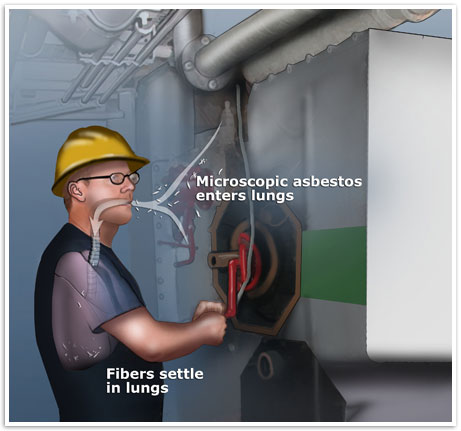 When inhaled, asbestos lodges easily in the outer lung tissue and within the mesothelium. The mesothelium is a thin membrane of cells which produces a lubricating fluid on the surface of the organs. This lubricant allows the lung and other internal structures to expand, contract, and move freely without friction in the body cavity. There is a great deal of latency associated with mesothelioma between exposure to asbestos and the onset of symptoms. Over time (often 40 or 50 years) asbestos irritates this tissue, causing inflammation and malignant scar tissue plaques on the surface of the mesothelium. These plaques are the foundation of the mesothelioma tumor.
 Pleural mesothelioma is the most common variety of the disease and forms on the pleural membrane, which surrounds the lung and chest cavity. Peritoneal mesothelioma is less common and forms on the surface of the peritoneum, a thin membrane surrounding the abdominal cavity. Pericardial mesothelioma is the least common variety of the disease and forms in the cardiac cavity that envelops the heart, a mesothelial membrane known as the pericardium.
Inhaled asbestos fibers are known to be the cause of pleural mesothelioma, whereas ingested asbestos fibers are the cause of peritoneal mesothelioma. While the exact causal nature between asbestos and pericardial mesothelioma is not known, physicians and cancer researchers surmise asbestos fibers in the blood stream lodge in the outer layers of the heart’s ventricles and lodge in the pericardium. Once asbestos fibers reach the surface of the peritoneum or pericardium, the inflammation process is essentially the same as it is on the surface of the pleura.
Primary workplace exposure to the mineral was common in naval shipyards, power plants, railroad infrastructure, and other industrial jobsites. However, asbestos-related mesotheliomas have also been diagnosed in spouses or children of those exposed to asbestos. Workers often brought home dangerous asbestos fibers on their clothing, hair, or person. Those who came into contact with these fibers on the person or their clothing have developed mesothelioma as a result.
Other Contributing Factors
Mesothelioma is also causally associated with a few other factors, but many of these are attributed to the development of mesothelioma in conjunction with exposure to asbestos.Smoking
Those who smoke are at a higher risk of mesothelioma, though smoking is more commonly associated with traditional lung carcinomas. Smoking tends to enhance risk even further in those who were also exposed to asbestos.Radiation Exposure
While extremely rare, some mesothelioma patients attribute their diagnosis to exposure to radiation rather than exposure to asbestos. Radiation tends to transform and mutate cell growth patterns and is more commonly associated with brain and blood cancers.Carbon Nanotubes
Research is extremely preliminary in this study, but some laboratory studies indicate a molecular similarity between asbestos mineral fibers and carbon nanotubes. Tests indicate a pronounced risk of mesothelioma in some laboratory animals implanted with carbon nanotubes.Mesothelioma Cancer

Listen to an audio summary on Mesothelioma Cancer.
Mesothelioma is an aggressive cancer affecting the membrane lining of the lungs and abdomen.
Malignant mesothelioma is the most serious of all asbestos-related diseases. Although uncommon, mesothelioma cancer is no longer considered rare. The primary cause and risk factor for mesothelioma is exposure to asbestos.Making a correct mesothelioma diagnosis is particularly difficult for doctors because the disease often presents with symptoms that mimic other common ailments. There is no known cure for mesothelioma, but treatments such as surgery and chemotherapy have helped to improve the typical mesothelioma prognosis.
Pleural mesothelioma (affecting the lung’s protective lining in the chest cavity) represents about three quarters of all mesothelioma incidence. Peritoneal mesothelioma which affects the abdominal cavity and pericardial mesothelioma, which affects the cardiac cavity, comprise the remainder. Testicular mesothelioma is extremely rare and is typically presents with metastases of the peritoneal variety. There are three recognized mesothelioma cell-types. Between 50 and 70% of all mesotheliomas are of the epithelial variety. While prognosis is generally poor, it is considered less aggressive than sarcomatoid mesothelioma and biphasic mesothelioma, which comprise the remainder of cell type diagnoses.
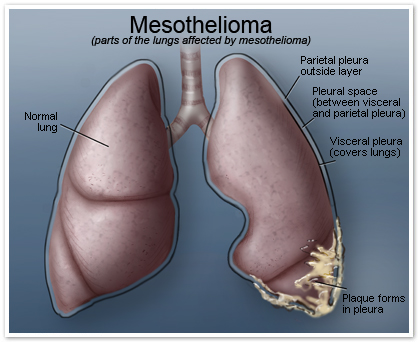 The cavities within the body encompassing the chest, abdomen, and heart are surround by a membrane of cells known as the mesothelium. Mesothelial cells assist in general organ functions. The mesothelium is particularly important to organs that are commonly in motion, such as expansion or contraction of the lungs, stomach, or heart. Lubrication from the mesothelial cells allows free range of motion within the body. The mesothelium of the chest, abdomen, and cardiac cavity are called the pleura, the peritoneum, and the pericardium, respectively. Each of these groupings of mesothelial cells are extremely critical to the functions of the body structures which they encompass.
Malignancies (cancerous tumors) occurring within the mesothelial membranes are known as malignant mesothelioma, or simply mesothelioma. Benign tumors of the mesothelium are known to occur, but are much rarer than the more common malignant cancer.
While tumors of the mesothelium were first recognized in the late 18th century, it was not until the middle of the 20th century that this particular cancer was studied and examined with more detail. It was at this time where suspicions of the cancer’s causal relationship with asbestos exposure became more substantiated. A joint research venture through the Department of Thoracic Surgery at the University of the Witswater and/Johannesburg General Hospital in South Africa provided the most compelling evidence of the nexus between asbestos exposure and the development of pleural mesothelioma.
Incidence of mesothelioma is still quite rare, with only 2,500-3000 diagnoses in the United States each year. There was a spike in reported diagnoses between 1970 and 1984, which has been attributed to the latency period between diagnosis and the height of industrial exposures, which occurred roughly 40-60 years prior to this time. Exposure was common in nearly all industries but was particularly common in the WWII-era military industrial cycle, including Navy Shipyards.
Subscribe to:
Comments (Atom)